Cardio Monitoring
Through cardio monitoring, healthcare providers can track heart rate, rhythm, blood pressure, and other vital signs to diagnose conditions such as arrhythmias, heart attacks, and heart failure.

Recap Medical Center was founded by a team of passionate healthcare professionals dedicated to providing reliable and up-to-date medical information to the public. With backgrounds in medicine, nursing, public health, and technology, our team brings a wealth of expertise to every article, guide, and resource we produce.

A perfect way to show your hospital services

Through cardio monitoring, healthcare providers can track heart rate, rhythm, blood pressure, and other vital signs to diagnose conditions such as arrhythmias, heart attacks, and heart failure.

Medical treatment may involve medication management, surgical interventions, therapeutic procedures, rehabilitation services, and lifestyle counseling.

Clinics equipped with emergency departments (EDs) offer around-the-clock care for patients requiring urgent medical attention.

First aid services typically cover techniques such as wound care, bandaging, splinting, CPR (cardiopulmonary resuscitation), AED (automated external defibrillator) use, choking relief, and basic life support.
Best service package for you
Common colds and flu-like symptoms Minor cuts, bruises, and sprains Chronic conditions like hypertension, diabetes, and asthma Routine vaccinations and screenings Follow-up appointments for stable patients
Cancer diagnoses requiring immediate treatment planning Chronic conditions with significant impairment in quality of life (e.g., advanced heart failure) Complex surgeries requiring careful planning and execution Psychiatric emergencies (e.g., severe depression with suicidal thoughts) Serious infections (e.g., pneumonia, sepsis)
Cardiac arrest Severe trauma from accidents or injuries Stroke Severe allergic reactions (anaphylaxis) Severe breathing difficulties (e.g., asthma attack) Uncontrolled bleeding

Amidst the uncertainty and fear of a global pandemic, one family found solace in the compassionate care provided by their local hospital. Sarah, a mother of two young children, contracted COVID-19 and quickly deteriorated. Her husband, Mark, felt helpless as he cared for their children at home while Sarah was hospitalized.
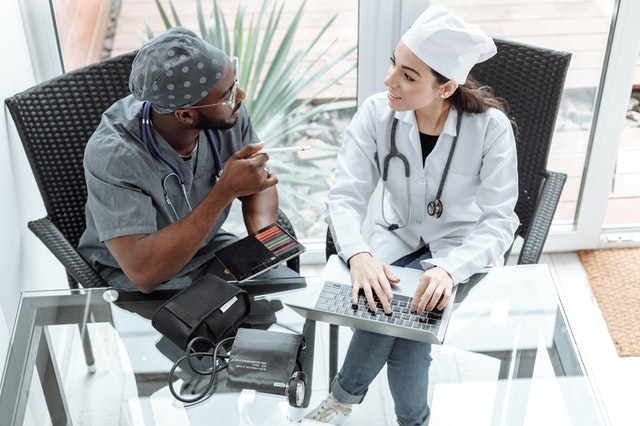
The hospital staff recognized the strain on Mark and the children. Despite strict visitor restrictions, they arranged daily video calls so the family could see and speak to Sarah. Nurses shared updates, not just about Sarah’s medical condition, but also about her emotional state and the children's wellbeing.
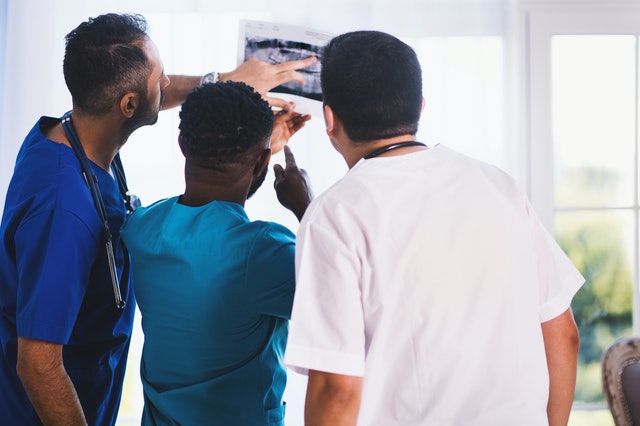
One nurse, Emma, went above and beyond. She learned about Sarah’s love for reading and brought her favorite books from home to keep her spirits up. Emma also connected with Mark, offering him resources for coping with the children’s anxiety and managing household tasks. She became a lifeline for the family, providing not only medical care but also emotional support during their darkest days.